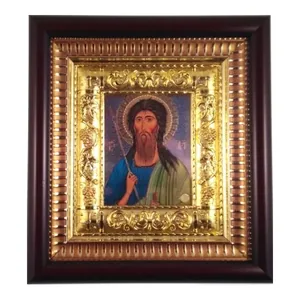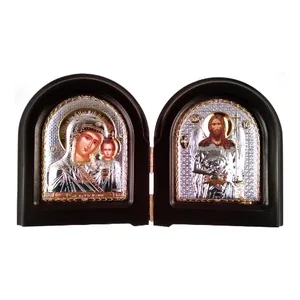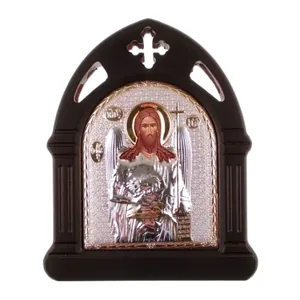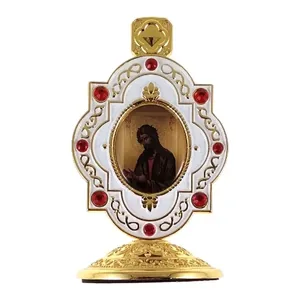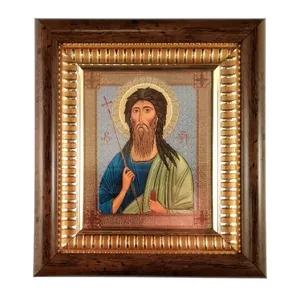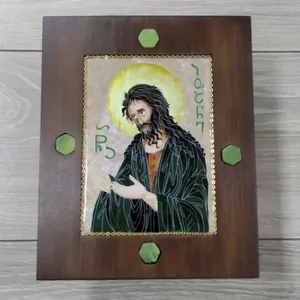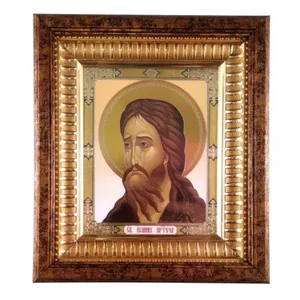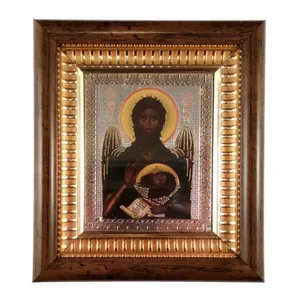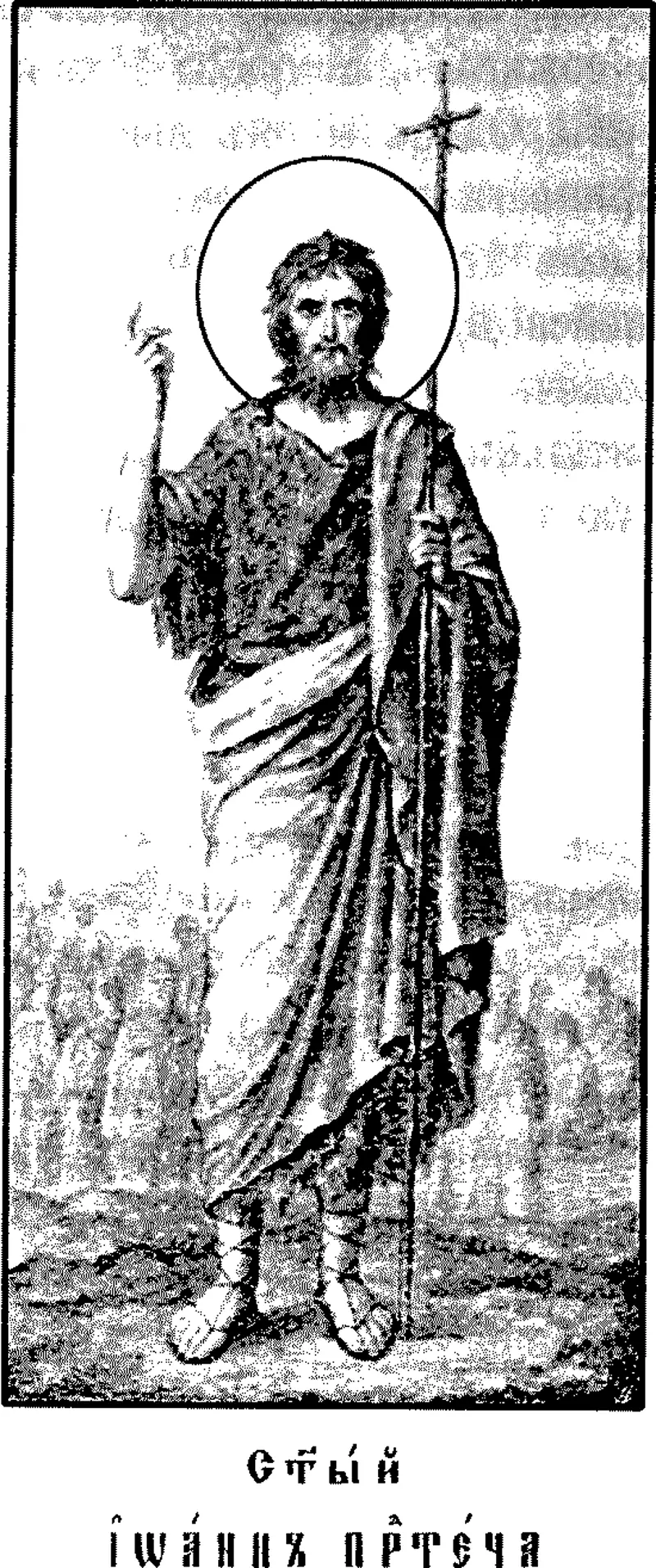
The Synaxis of the Prophet, Forerunner and Baptist John
In the Orthodox Church there is a custom, on the day after the feasts of the Lord and of the Theotokos, of commemorating the saints who took a direct part in these most holy and important moments of history. According to this tradition, after Theophany, on 7 (20) January, the memory of the Baptist of the Lord, John, is celebrated.
John was the greatest among the prophets. He brought the Old Testament era to a close and bore witness to the becoming man of the Only-begotten Son of the Lord. By his earthly labour John fulfilled the prophecy of Isaiah: “The voice of one crying in the wilderness, Prepare ye the way of the Lord, make His paths straight.”
The birth of the holy prophet was announced to his father, the high priest Zacharias, by the Archangel Gabriel (Luke 1:13–17). The saint’s mother, the pious Elizabeth, was a kinswoman of the Most Holy Theotokos according to the flesh. When the Virgin Mary, who had just conceived of the Holy Spirit, went to Elizabeth in Judaea, the six-month-old John leaped in his mother’s womb (Luke 1:41): even in the womb he rejoiced at the Deliverer’s becoming man.
From childhood John lived in the desert, and there prepared himself by fasting and prayer for his high ministry. “John had his raiment of camel’s hair, and a leathern girdle about his loins; and his meat was locusts and wild honey.”
The Forerunner of the Lord was thirty years old when he came out into the wilderness of Judaea to preach repentance: “Repent ye: for the kingdom of heaven is at hand” (Matt. 3:2). In the River Jordan he baptised with a baptism of repentance the Jews who confessed their sins before him, and he denounced the Pharisees and Sadducees, who kept the law only in word while in their hearts they were “far removed” from God: “O generation of vipers, who hath warned you to flee from the wrath to come? Bring forth therefore fruits meet for repentance.”
For a long time the Lord had not sent a prophet to His chosen people: more than four hundred years had passed since the death of the last prophet, Malachi. So people came from every side to hear the words of the Prophet John. They were enthralled by him and paid him great honour. The prophet prepared them to meet Jesus: “I indeed baptize you with water unto repentance: but He that cometh after me is mightier than I, whose shoes I am not worthy to bear: He shall baptize you with the Holy Ghost, and with fire” (Matt. 3:11). From afar John recognised “the Lamb of the Lord” coming to him to be baptised, and in humility resisted Him: “I have need to be baptized of Thee, and comest Thou to me?” (Matt. 3:14); but then he submitted to God’s will, baptised the Saviour of the world, and by touching His head was himself baptised too.
Afterwards Jesus Christ Himself testified that “among them that are born of women there hath not risen a greater than John the Baptist”; but so that they should not think him greater than the Son of God, He added: “notwithstanding he that is least in the kingdom of heaven is greater than he”.
John the Baptist met a martyr’s end: he was beheaded for denouncing Antipas, the ruler of Galilee, for his lawlessness with Herodias. After this John announced the Saviour’s becoming man to the souls of the righteous in hell as well: “With joy thou didst proclaim to those in hell God made manifest in the flesh, who taketh away the sins of the world and granteth us forgiveness of sins.”
After the Theotokos, John the Baptist is our greatest intercessor before God. He is the teacher of repentance.
On this same day are commemorated the translation of the incorrupt right hand of the holy Forerunner from Antioch to Constantinople (956) and the miracle of John the Baptist on the island of Chios.