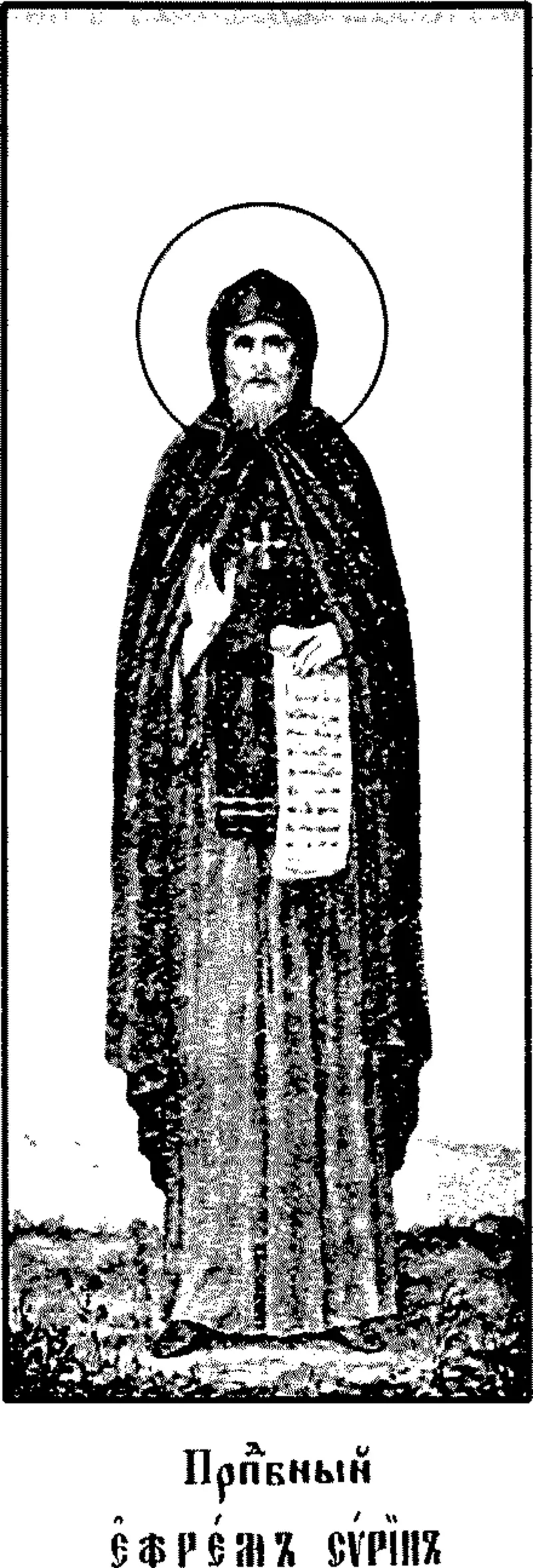
Venerable Ephraim the Syrian (+c. 373–379)
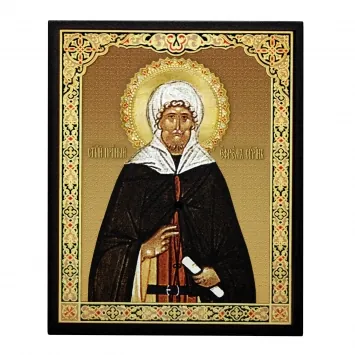
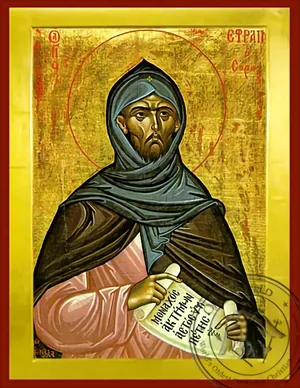
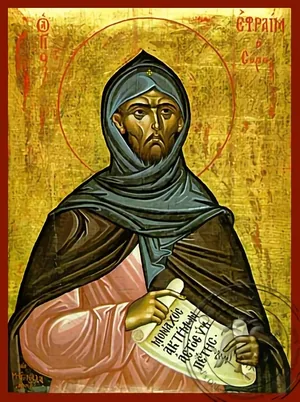
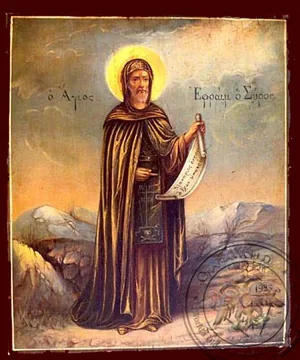
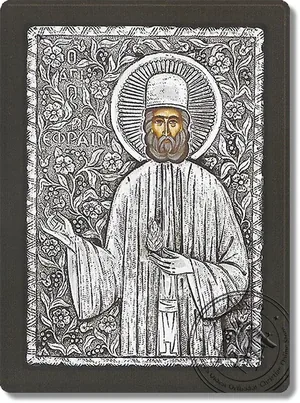
The Venerable Ephraim the Syrian, the teacher of repentance, was born at the beginning of the fourth century in the city of Nisibis. His parents, poor farmers, brought up their son in piety, but because of his hot temper Ephraim often quarrelled, acted without thinking, and even had doubts about God’s providence. The Lord Himself trained the careless young man: once he was falsely accused of stealing sheep and shut up in prison, where he heard a voice calling him to repentance and amendment. After his release Ephraim withdrew from this world and shut himself up in the mountains of Nisibis. Here his teacher became the famous ascetic James, Bishop of Nisibis (commemorated 13 January). Under the hierarch’s grace-filled guidance the venerable father acquired various Christian virtues and advanced in the spiritual life. James used his gifts for the good of the Church: he charged him with preaching and with teaching children at the school. The saint accompanied his teacher to the First Ecumenical Council held at Nicaea in 325. Ephraim remained in obedience to James for fourteen years, until his death.
In 363, when the Persians took Nisibis, Ephraim left the desert and settled in a monastery near the city of Edessa. Here great fathers laboured beside him, spending their time in prayer and the singing of psalms. Their shelter was a cave, and their only food plants. The venerable father combined his ascetic labour with tireless study of Holy Scripture. The Lord endowed him with the gift of teaching: people wishing for spiritual counsel hastened to him from every side. Ephraim’s preaching had a special effect on his hearers, because the venerable father began his instructions by denouncing himself. The saint called his hearers to repentance, faith and piety, and exposed the widespread heresy of the Arians. His grace-filled teaching converted many pagans to the law of Christ.
The venerable father laboured on the interpretation of Holy Scripture, in particular of the Pentateuch of Moses. To him belong many prayers and hymns. Especially well known are his prayers to the Holy Trinity, to the Son of God and to the Most Holy Theotokos, and his hymns glorifying the twelve great feasts of the Lord. The prayer of Ephraim the Syrian, “O Lord and Master”, is read during Great Lent and calls Christians to spiritual renewal. From the most ancient times the Church has valued the venerable father’s works highly; it was the custom to read them at the Liturgy of the faithful, after the Gospel. Ephraim’s writings were translated early into various languages.
Out of humility the holy father considered himself the most unworthy of all. In the evening of his life he set out for Egypt to learn of the labours of the great desert fathers. On his way back he passed through Caesarea of Cappadocia, to Basil the Great (commemorated 1 January). The great hierarch wished to ordain him presbyter, but Ephraim insisted, and he ordained the venerable father deacon. He remained in this rank until his end. The holy father was offered the episcopate too, but to escape this heavy cross he began to play the fool. When a terrible famine was raging in Edessa, Ephraim with his inspired words moved the rich to help the poor. With the offerings of the faithful he built a shelter for the infirm. Then he withdrew into a cave near Edessa and laboured there until his end.